

Neurofeedback for Sleep Issues & Insomnia
If your brain won't let you rest, everything feels harder. Neurofeedback helps give the brain a reset, so your nervous system can relearn how to downshift into deep, restorative sleep. It's a gentle, drug-free approach to supporting sleep issues and insomnia.



More Than “Just Being Tired”
Sleep issues can look like:
- Lying awake for hours with a racing mind
- Falling asleep but waking at 2–3 am and not getting back to sleep
- Waking up exhausted even after “enough” hours in bed
- Needing alcohol, meds, or melatonin just to fall asleep
- Snoring, restless tossing, or frequent waking
- Dreading bedtime because you know it won’t go well
Over time, poor sleep erodes:
- Mood
- Focus and memory
- Immune system and recovery
- Patience with yourself and others
You start to feel like a different person – or like the worst version of yourself.
When the Brain Forgets How to Downshift
Sleep is not just “turning off.” It’s a brain‑driven rhythm of activation and rest.
After chronic stress, trauma, pain, or long days “on,” the brain can develop habits like:
- Staying in high‑alert mode even when you lie down
- Looping through worries the moment it gets quiet
- Waking you up at night to “check” for danger
- Struggling to cycle through deeper sleep stages
These are learned brain habits designed to keep you safe.
Neurofeedback and brain training help the brain:
- Practice moving out of constant high alert
- Rebuild patterns that support relaxation and deep sleep
- Reduce the background noise that pops up the moment you try to rest
As sleep improves, people often notice better mood, clearer thinking, and more steady energy.
For sleep issues and insomnia, we typically focus on:
- Calming chronic over‑activation in the nervous system
- Supporting more balanced day‑night rhythms
- Reducing middle‑of‑the‑night wakeups driven by anxiety loops
- Helping the brain re‑learn how to enter and stay in deeper sleep
- Supporting healthier circadian patterns so your brain knows when to be awake and when to rest
Tools we may use:
- Dynamical neurofeedback to support overall regulation and recovery
- Linear neurofeedback when specific patterns need support
- tPBM light therapy to support cellular energy and recovery, especially after TBI or long‑term stress
- HEG when prefrontal overload is keeping the “thinking brain” on all night
- Coaching for sleep hygiene and daily habits that support rest instead of fight it
We’ll work with you to build a plan that’s realistic for your life and addresses both the brain habits and daily habits affecting your sleep.
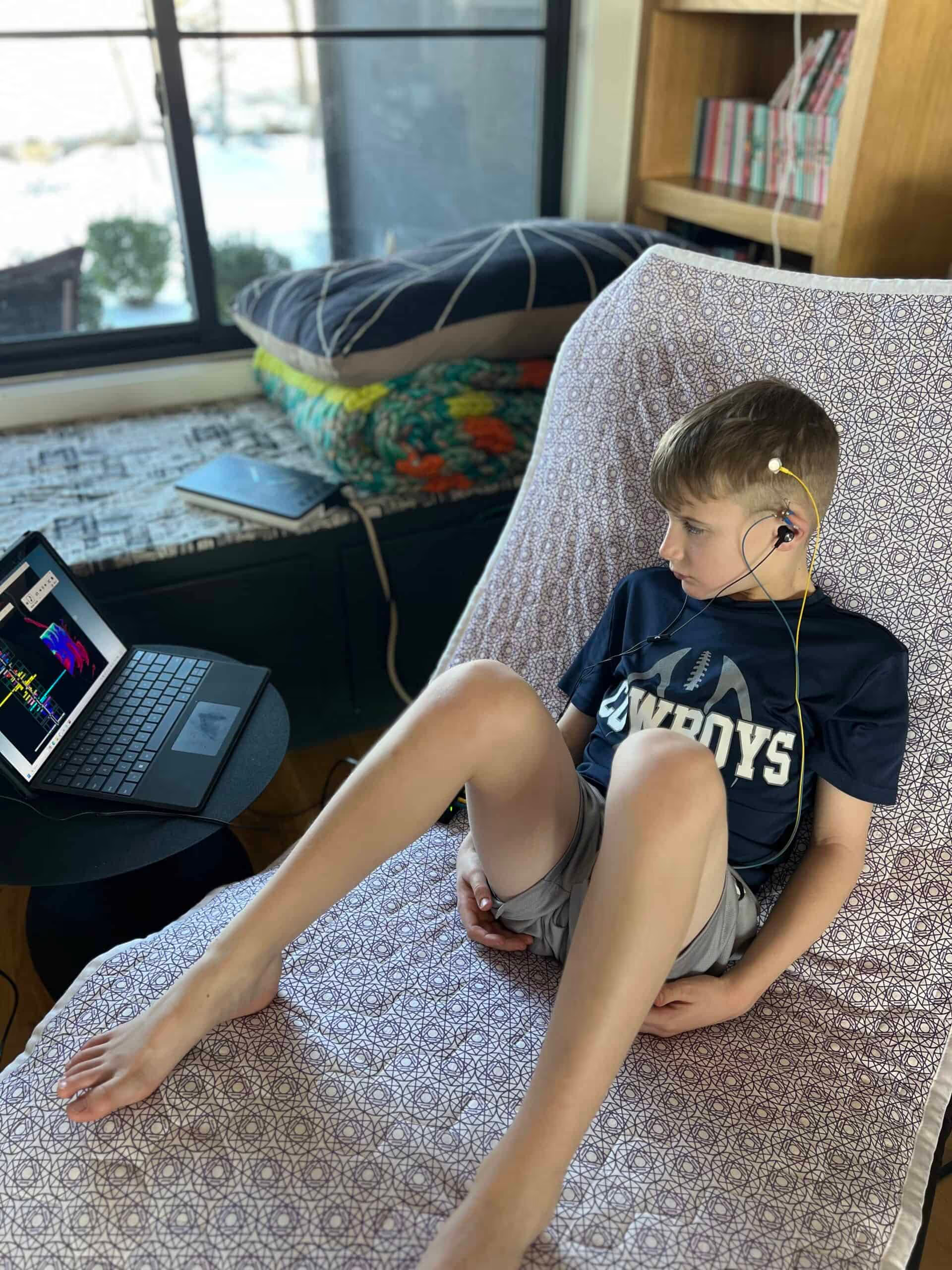
In‑Person Programs (Colorado Springs) may be best if:
- Sleep issues are paired with significant anxiety, trauma, or complex history
- You want a quiet, structured environment away from home demands
- You’d like to combine neurofeedback with tPBM, HEG, or BioMat sessions
Our Colorado Springs office also supports clients seeking help with chronic sleep difficulties alongside their existing care.
At‑Home Brain Reset may be best if:
- You want to train in the comfort of your own bedroom or living room
- Night shifts, kids, or caregiving make in‑person visits hard
- You prefer to integrate sessions into your bedtime routine
Both options offer a non‑medication, drug‑free approach to improving sleep, rest, and nighttime regulation.
Not sure which fits you best? That’s exactly what the Free Clarity Call is for.
What Clients With Sleep Issues Notice
“I used to only get about 2–3 hours of sleep a night… after sessions I was able to fall asleep almost as fast as my husband… my brain calmed down.” - KJ
“Training has made a huge, HUGE difference in my sleep… now I sleep soundly throughout the night and function so much better.” - KH
“My sleep improved significantly — I now sleep a full eight hours, which I have never done before.” - D Weiss, PhD
“I typically sleep very well… for the first time in almost 17 years, I don’t have nightmares.” - SF
.jpeg)
You Deserve Rest, Not Just “Coping”
If you’ve been living in survival mode on too little, too shallow sleep, it’s not because you’re weak. Your brain just hasn’t had the support it needs to change the habits it built around staying alert.
We can help you:
- Understand what’s been keeping your brain “on”
- Choose an approach that fits your life and energy
- Support your brain in rebuilding healthier patterns for rest and recovery
You Don’t Have to Manage This Alone
If anxiety and chronic stress have been running your life, it’s not because you’re weak. Your brain has just been stuck in protective habits for along time.
We’ll help you:
- Understand what your brain has been doing and why
- Choose a realistic starting plan (in‑person, at‑home, or tools‑first)
- Support your brain in building calmer, more balanced patterns over time
