

Neurofeedback for TBI & Concussion
After a concussion or brain injury, it can feel like your brain never fully came back online. Neurofeedback helps give the brain a reset back toward clearer functioning, supporting recovery and resilience alongside your existing medical care.



If Your Brain Hasn’t Felt the Same Since
Post‑concussion and TBI‑related changes can look like:
- Slower thinking or “lag” between thought and action
- Headaches, dizziness, or sensory overload
- Trouble concentrating or following conversations
- Increased irritability or emotional swings
- Fatigue after short periods of mental effort
- Feeling like you’re “not as sharp” or “not yourself” anymore
Often, test results look “fine,” but day‑to‑day life still doesn’t.
You’re not imagining it. Your brain has been working harder to do what used to be easy.
Your Brain Is Working Harder, Not Less
After injury, the brain can develop compensation patterns like:
- Overworking certain regions to make up for weaknesses
- Avoiding demanding tasks to conserve energy
- Getting overwhelmed easily by noise, lights, or multitasking
Even when scans are stable, functional patterns can still be inefficient.
Neurofeedback and brain training help the brain:
- Practice more efficient communication between regions
- Reduce some of the “noise” and overactivation that drain energy
- Support more stable focus, mood, and cognitive endurance
We always encourage you to stay in touch with your medical and rehab team; our work is designed to complement, not replace, medical care.
For post‑concussion/TBI, we typically focus on:
- Supporting clearer thinking and reduced brain fog
- Improving mental endurance without as much crash or headache
- Supporting mood and stress resilience during recovery
- Helping the nervous system down‑shift out of chronic “alert” states
- Supporting sleep, which is critical for brain healing
Tools we may use:
- Dynamical neurofeedback for global regulation and resilience
- Linear neurofeedback for targeted pattern support
- tPBM light therapy to support cellular energy and blood flow in the brain
- HEG training for prefrontal function when attention and planning are affected
- BioMat infrared sessions for overall relaxation and physical recovery
Programs are always adapted to your tolerance levels; we move gently and adjust as your brain’s capacity grows.
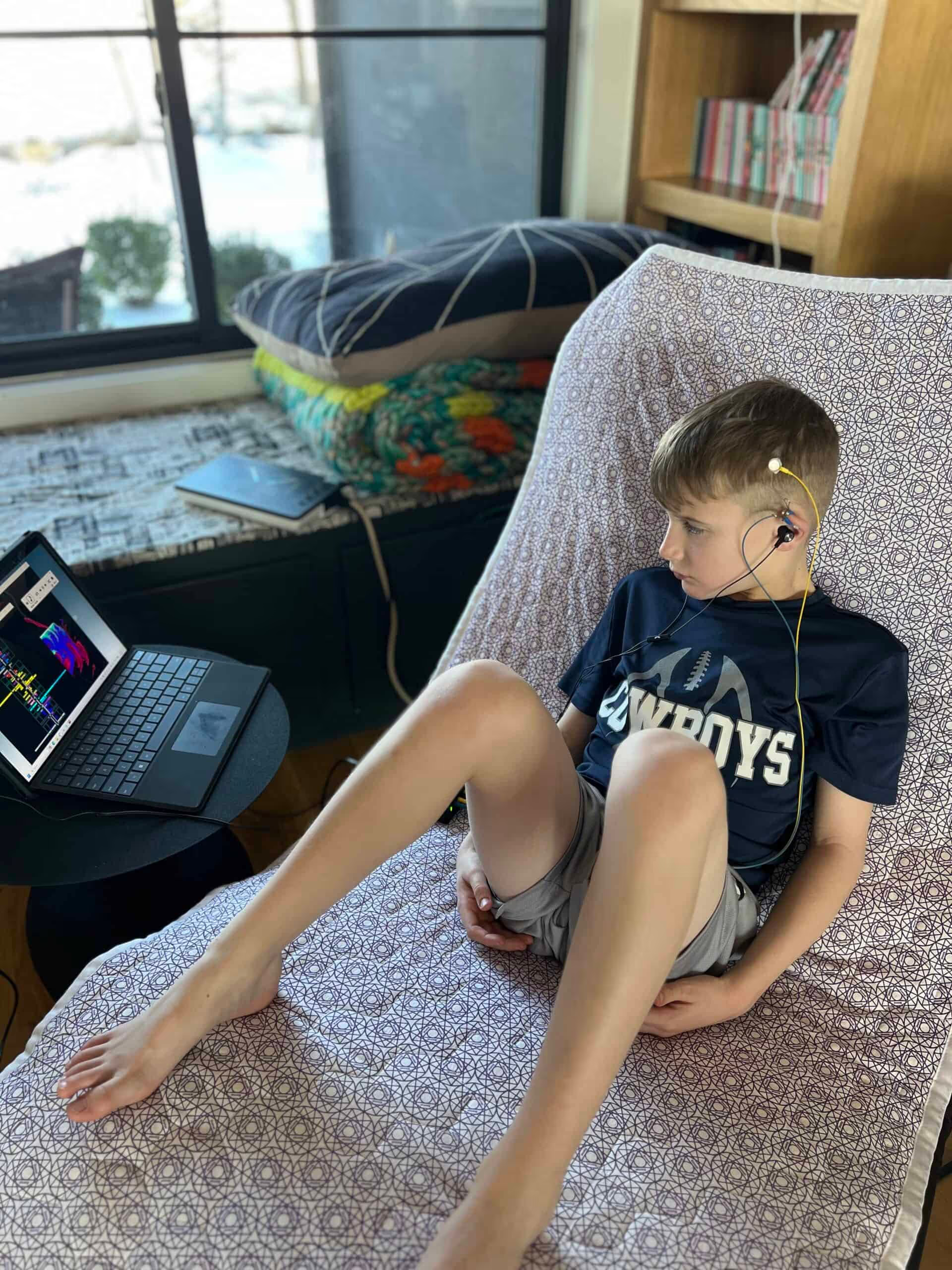
In‑Person Programs (Colorado Springs) is often best if:
- You’re local and can tolerate visits to the office
- You want close monitoring, possible QEEG, and access to multiple tools
- Your providers want coordinated care and clear records
At‑Home Programs is often best if:
- Travel, light, or noise make leaving home difficult
- You want to integrate short sessions into your day when you feel up to it
- Family members also want access to training and support
Both are non‑invasive, drug‑free options that can be tailored to your current capacity and adjusted as you improve.
Not sure which fits you best? That’s exactly what the Free Clarity Call is for.
What Clients With TBI & Concussion Notice
“Suffering from a TBI after a horrible accident… 20 sessions later, I’m a new person.” - Steven S
“After a concussion… headache, dizziness, brain fatigue… I feel better than I did before the concussion.” - LG
“My dizziness, balance, and low energy improved dramatically after sessions.” - PR
For Veterans & Eligible Clients
TriWest
Medicaid (Colorado)
DVR in applicable cases
We can discuss whatmay apply to you during your Brain Plan Call or first session.

You Don’t Have to Settle for “This Is Just Your New Normal”
If you’ve been told “everything looks fine” but you still don’t feel like yourself, you’re not alone. Many people need functional support, not just structural reassurance.
We can help you:
- Understand how your brain has been compensating since injury
- Choose an in‑person, at‑home, or tools‑first plan that respects your limits
- Support your brain in building more efficient, resilient patterns over time
You Don’t Have to Manage This Alone
If anxiety and chronic stress have been running your life, it’s not because you’re weak. Your brain has just been stuck in protective habits for along time.
We’ll help you:
- Understand what your brain has been doing and why
- Choose a realistic starting plan (in‑person, at‑home, or tools‑first)
- Support your brain in building calmer, more balanced patterns over time
